Polyfunctional Robots & Software: The New Integration Frontier
How robotics APIs are becoming the next major platform for software developers.
The Humanoid Shift and the Rise of the Physical API
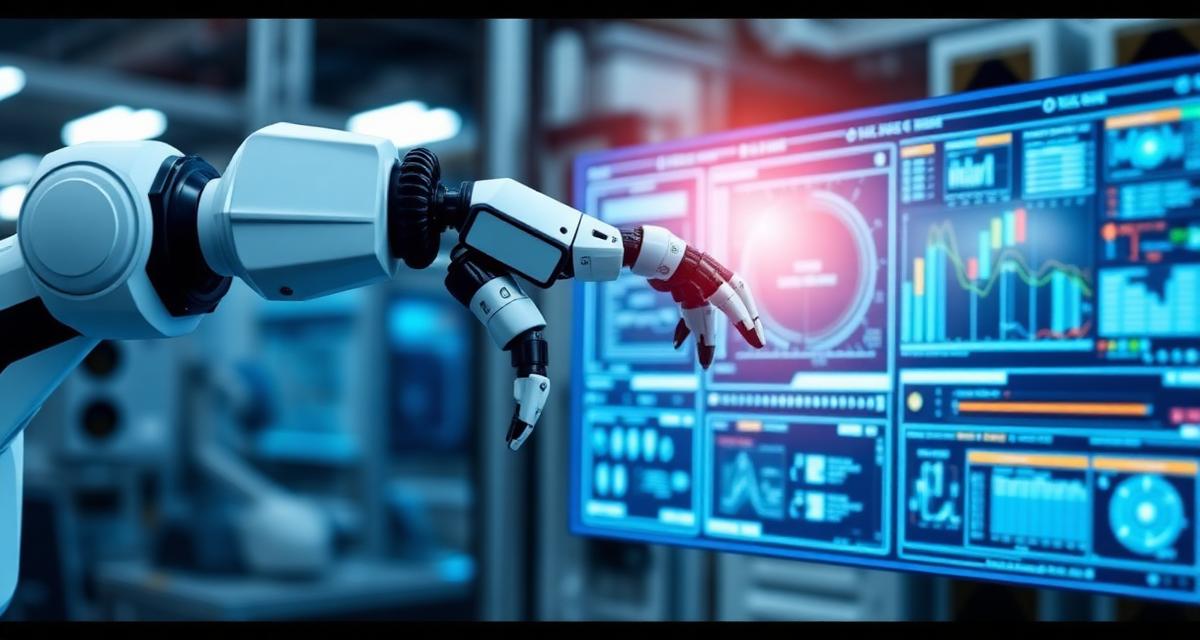
Tesla's Optimus, Figure's humanoid platforms, and a massive wave of industrial deployments are establishing an entirely new software paradigm. Humanoid robots are moving out of research labs and straight onto factory floor production lines. As this physical hardware scales, robotics APIs are becoming just as foundational to commercial software engineering as standard web APIs and database protocols.
I am Tendai Gumunyu, a Cape Town–based full-stack developer. I design and build highly optimized web applications, cloud backends, and digital integration pipelines. While many businesses still view robotics through the narrow lens of hardware engineering, the real revolution is happening in the software layer — where web-based developers are connecting physical automated hardware directly to modern web ecosystems.
The Robot Operating System (ROS) Ecosystem
The Robot Operating System (ROS 2) has established itself as the global standard for robotics software architecture. Structurally, ROS 2 functions less like a traditional operating system and more like a highly secure, language-agnostic middleware network.
Message-Based Publish-Subscribe Architecture: Components inside a robot (like a camera sensor, a mechanical hand controller, or a navigation engine) pass data asynchronously using standardized nodes and topics, closely mirroring the behavior of modern web microservices.
The Web Developer Advantage: Because ROS 2 is language-agnostic and relies on standard data serialization formats, web engineers no longer need to write low-level C++ embedded assembly code to interact with hardware. If you can write an asynchronous JavaScript function or map out a JSON payload, you can build interfaces that listen to a humanoid robot's telemetry streams, trigger specific arm trajectories, and query operational state logs.
Cloud Robotics Architecture: Actuators vs. Brains
Modern robotics development is rapidly moving toward a split cognitive architecture, successfully separating real-time mechanical reflexes from high-level strategic reasoning.
In this decoupled framework, the physical edge hardware functions as System 1 (Reflex Execution). It runs localized neural network control loops to process immediate sensory feedback, maintain balance, and execute precise physical tasks without network dependency.
Conversely, the cloud layer serves as System 2 (Conscious Reasoning). Heavy web engines, cloud superclusters, and advanced language models process long-horizon planning, multi-robot fleet learning orchestration, and natural language instruction translation. The data connection is maintained via low-latency secure WebSockets or dedicated web APIs. The robot acts as the physical actuator; the cloud serves as the scalable data engine.
Real-World Web & Robotics Integration
Connecting automated hardware directly to cloud dashboards unlocks immediate operational value across diverse business sectors:
Intelligent Warehouse Logistics: Building real-time web fleets where automated guided vehicles communicate directly with e-commerce store inventory databases via centralized API gateways, updating order dispatch statuses instantly upon physical collection.
Hospitality & Service Dashboards: Constructing administrative frontends (using modern React or Next.js architectures) that allow corporate operators to manage guest-facing service robots, change building map routes remotely, and track battery lifecycles from a single browser tab.
Industrial Computer Vision Pipelines: Hooking edge camera arrays on manufacturing lines into automated backend scripts to scan inventory parts for micro-defects, instantly flagging quality control issues inside cloud-hosted management portals.
Client Takeaway: Bridging the Physical-Digital Divide
The accelerating robotics expansion requires specialized software engineers who understand how to handle telemetry streams, secure API connections, and process high-volume machine data. I help my clients bridge the operational gap between physical automation pipelines and modern digital architectures, building stable, scalable software that drives real-world efficiency.
Explore Next-Gen Tech Blueprints
If you want to explore how advanced language models, deep computing architecture changes, and smart environments are redefining software systems this year, browse my specialized deep-dives:
Agentic AI: Building Autonomous Systems That Actually Work — Move past simple chat prompts and discover how to design multi-agent software pipelines that execute complex tasks independently.
AI-Native Development: How I Shipped 5 Products in 30 Days — An inside look at the technical prompt engineering pipelines, strict type configurations, and AI pair-programming editors that supercharge engineering velocity.
The Rise of Neuromorphic Computing: Why It Matters for SaaS — An analytical breakdown of brain-inspired hardware processors and how they will alter edge AI processing efficiency for next-generation systems.
Looking to hook industrial automation hardware, smart sensors, or custom fleet tracking devices directly into a secure web system or cloud dashboard? Drop me a line with your project scope — I will analyze your hardware requirements and get back to you within 24 hours with a clean technical evaluation and a fixed development quote.
Get in touch or explore services and projects.
LET’S TALK
Have a project in mind after reading this? Send a brief and I usually reply within 24 to 48 hours.