Restaurant SEO in Cape Town 2026: How to Rank #1 on Google Maps
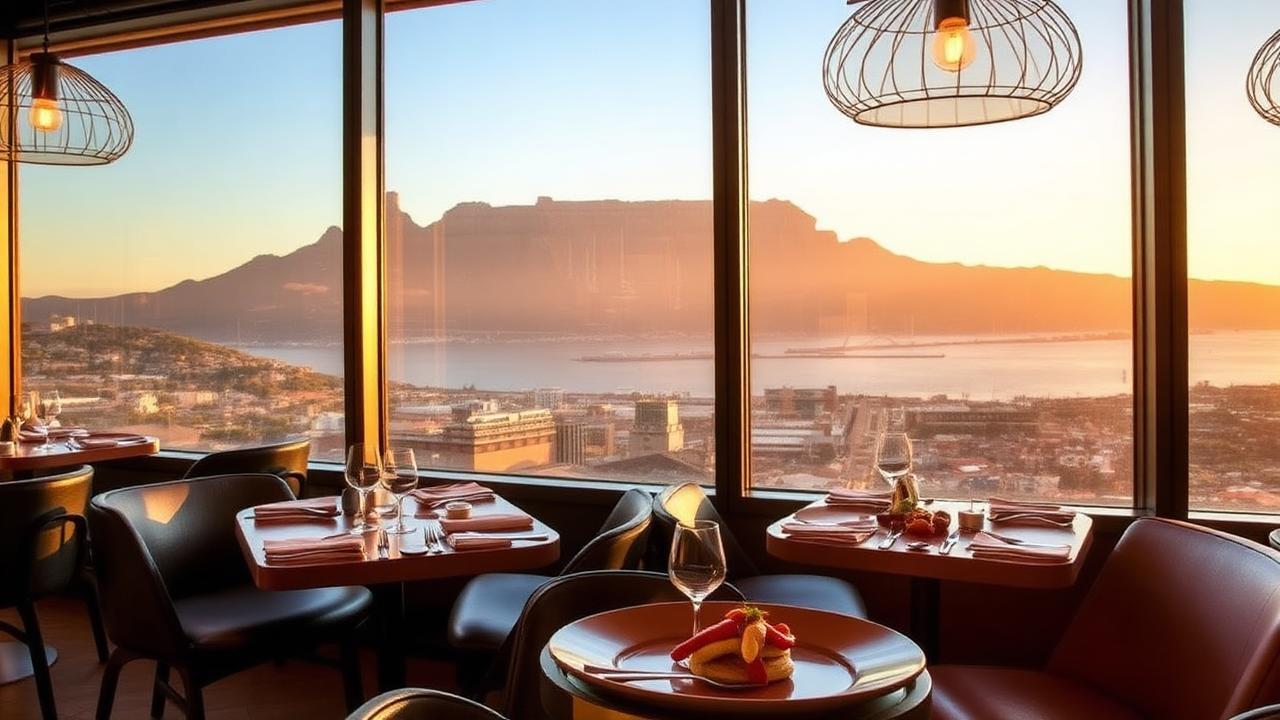
Local SEO playbook for Cape Town restaurants in 2026 — Google Business Profile, menu schema, review velocity, tourist traffic & mobile speed.
Cape Town restaurants live or die on Google. 78% of diners check Google Maps and reviews before booking — and the top 3 results in the local pack capture 60% of clicks. Here is exactly how to get there in 2026.
Why Cape Town restaurant SEO is unique
Cape Town is one of the most competitive restaurant markets in Africa. You're not just competing with the restaurant next door — you're competing with TimeOut lists, Eat Out, Yuppiechef recipes, and tourist-focused Tripadvisor pages that outrank you on your own brand name.
The good news: most local restaurants do SEO badly. A few weeks of focused work moves you into the top 3 of the local pack for "restaurant in [neighbourhood]".
Google Business Profile is 70% of the battle
Categories: Pick the most specific primary (e.g. "Sushi restaurant" not "Restaurant"). Add 4–9 secondary categories.
Photos: Upload 3 new photos per week. Geotagged. Restaurants with 100+ photos get 520% more calls.
Posts: Weekly Google Posts with offers, events, new dishes.
Q&A: Seed your own answers to common questions ("Do you have parking?", "Vegan options?").
Menu: Add the full menu with prices in ZAR. Google now extracts dishes for "best [dish] near me" searches.
Reviews: the compounding asset
Restaurants with 4.5+ stars and 200+ reviews dominate the Cape Town local pack. Strategy: a printed QR code on every bill linking to your Google review URL, with a polite "Loved tonight? A 1-minute review means everything to us." Aim for 8–12 new reviews per month minimum.
Reply to every review within 24 hours. Negative reviews replied to professionally actually help conversion — they show you care.
On-page SEO for restaurant websites
Most restaurant sites in Cape Town are built on Squarespace or Wix with generic copy. Quick wins:
Title tag: "[Restaurant Name] | [Cuisine] in [Neighbourhood], Cape Town"
H1: Match the title intent.
Schema markup: Restaurant + Menu + LocalBusiness JSON-LD. This unlocks rich results.
Neighbourhood pages: If you have 2 locations (Sea Point + Constantia), build a page for each, not one combined.
The neighbourhood content strategy
Build pages targeting buyer-intent keywords: "best brunch Sea Point", "kid-friendly restaurants Constantia", "private dining room Camps Bay". These rank surprisingly easily because most competitors don't bother. Each page needs 800+ words, original photography, an embedded map, and at least 3 internal links.
Local link building that actually works
Pitch food bloggers (Cape Town has 40+ active ones), get listed on Eat Out, Restaurant Week, and SA-Venues. Sponsor a small neighbourhood event for a backlink. Partner with a nearby hotel for a "where to eat" link. Each strong local link is worth 20 generic ones.
Tracking what matters
Google Business Profile insights: searches, calls, direction requests.
Bookings via OpenTable, Dineplan, Quandoo attributed to organic.
Top 3 ranking for your 5 most valuable "[dish/cuisine] [neighbourhood]" keywords.
Frequently asked questions
How long does restaurant SEO take in Cape Town?
Local pack ranking improvements typically show in 6–10 weeks. Sustained top 3 takes 4–6 months of consistent effort.
Do I need a website if I have a Google Business Profile?
Yes. A modern, fast website improves GBP rankings and lets you capture bookings directly without paying commission.
How many Google reviews does a restaurant need?
Aim for 200+ with a 4.5+ average to compete in central Cape Town. Suburbs like Constantia or Hout Bay can rank with 80+.
What is the best booking system for SA restaurants?
Dineplan and Quandoo dominate locally. Both integrate with Google "Reserve a Table" for direct bookings from search.
Continue reading
LET’S TALK
Have a project in mind after reading this? Send a brief and I usually reply within 24 to 48 hours.